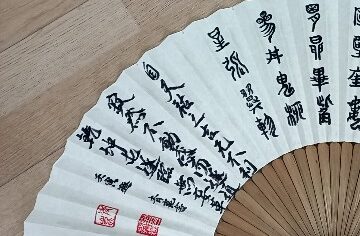
Evaluating and choosing the right person is one of the most critical tasks for any organization. When each member plays their role correctly in the right place, the entire group functions smoothly.
While standards for judgment change over time, ancient Eastern wisdom offers a timeless method called “Shin-Eon-Seo-Pan.” Originally used during the Tang Dynasty to recruit government officials, this framework remains surprisingly relevant today.
Whether you are electing a leader, hiring a new employee, or meeting someone in daily life, these four pillars provide a comprehensive way to understand a person’s true character.
1. Shin (身): Appearance and Demeanor
“Shin” refers to a person’s physical stature and overall appearance. It is the very first criterion we use when meeting someone.
- First Impressions Matter: Even if someone possesses great talent, a poor first impression can overshadow their skills.
- The Power of Demeanor: Ancient standards required a “commanding presence.” In modern terms, this translates to professional grooming, confident body language, and a respectful attitude.
- Trust and Reliability: A clean and composed appearance often signals self-discipline and reliability to others.
2. Eon (言): Eloquence and Speech
“Eon” focuses on how a person speaks. Knowledge is powerful, but it loses its value if you cannot communicate it clearly.
- Logic and Clarity: A great candidate must express deep thoughts in a logical and organized manner.
- Impact of Communication: If speech is disorganized or unclear, the listener might overlook the speaker’s intelligence.
- Persuasion and Honesty: Ancient wisdom demanded “right and just speech.” Today, we value clear communication as a tool for teamwork and leadership.
3. Seo (書): Writing and Handwriting
In the past, “Seo” specifically meant handwriting. People believed that a person’s handwriting revealed their inner character and soul.
- The Mark of Personality: Beautiful and precise writing indicated a meticulous and calm mind.
- Modern Interpretation: While we type more than we write today, “Seo” now represents our digital communication and documentation skills.
- Attention to Detail: Clear, error-free writing still serves as a major benchmark for professionalism and discipline.
4. Pan (判): Judgment and Insight
“Pan” is perhaps the most important pillar. It refers to the ability to understand the logic of things and make wise decisions.
- Wisdom Over Skill: A person might look good, speak well, and write beautifully. However, they cannot truly excel without sound judgment.
- Solving Complex Problems: This trait involves seeing the big picture and solving problems effectively.
- The Final Filter: Ancient recruiters sought “superior and long-lasting insight.” In the modern world, we call this critical thinking or strategic decision-making.
Why Shin-Eon-Seo-Pan Works Today
This method aligns closely with modern business tools like SWOT analysis. Just as companies analyze strengths and weaknesses, Shin-Eon-Seo-Pan offers a qualitative way to measure human value.
By quantifying these four areas, we can maintain better relationships and build stronger teams. A person who balances all four qualities represents the “Gold Standard” of talent.
Ancient wisdom proves that true excellence is not just about a single skill. It is about the harmony of how you look, how you speak, how you express yourself, and how you think.


Discover more from Creative Innovator in Korea
Subscribe to get the latest posts sent to your email.